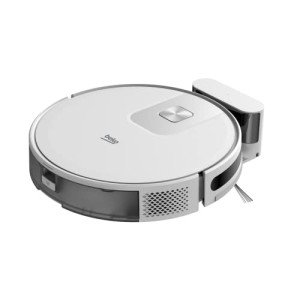
How To Explain Robotic Hoover To Your Boss
Robotic Hoovers: The Future of Home Cleaning
Over the last few years, robotic hoovers have rapidly acquired appeal as a hassle-free option for modern home cleaning. These autonomous machines offer effective and uncomplicated cleaning options, enabling property owners to keep neat living spaces without the exhausting effort traditionally related to vacuuming. This post explores the operations of robotic hoovers, their benefits, and factors to consider for prospective buyers.
What is a Robotic Hoover?
Robotic hoovers, frequently understood as robotic vacuum, are compact, automated gadgets designed to tidy floorings with very little human intervention. robot vacuum mop make use of different innovations to navigate around barriers, detect dirt, and adapt to various surface areas for optimal cleaning.
Key Components of Robotic Hoovers:
Component
Description
Sensors
Help in identifying barriers and cliff edges
Brushes
Permit efficient dust and particles elimination
Vacuum Mechanism
Suctions dirt into a collection chamber
Battery
Powers the system for independent operation
Control Software
Allows navigation, scheduling, and cleaning mode personalization
How Do Robotic Hoovers Work?
Robotic hoovers overcome a combination of sensors, cams, and synthetic intelligence to navigate and tidy floors. Here's a basic summary of their operation:
Mapping and Navigation: Some advanced models use LiDAR innovation or video cameras to create a map of the cleaning areas. Standard models may run using bump sensing units, which activate actions upon contact with obstacles.
Cleaning Patterns: Robotic hoovers frequently follow organized cleaning patterns, such as zigzag or spiral, to guarantee comprehensive coverage. More sophisticated ones use algorithms to cover the whole location effectively.
Dirt Detection: Many designs are geared up with dirt detection innovation that permits them to concentrate on particularly unclean locations before carrying on.
Automatic Recharge: When the battery is running low, robotic hoovers instantly go back to their docking stations to charge, guaranteeing they are always ready for the next cleaning cycle.
Advantages of Robotic Hoovers
Improved convenience is a leading advantage of robotic hoovers, but there are many other advantages worth thinking about:
- Time-Saving: Users can set cleaning schedules and leave the machine to do its work, enabling them to focus on other jobs.
- Constant Cleaning: Robotic hoovers can keep day-to-day or weekly cleaning routines, resulting in consistently cleaner floors.
- Multi-Surface Cleaning: Many designs are capable of cleaning a range of surfaces, consisting of wood, tile, and carpet.
- Compact Design: The little size of robotic hoovers allows them to access tight and hard-to-reach spaces where conventional vacuums may struggle.
- Smart Features: Many robotic hoovers are now compatible with clever home systems, allowing users to start and control cleaning through smart device apps or voice commands.
Disadvantages of Robotic Hoovers
Regardless of their various benefits, robotic hoovers also include some drawbacks that possible purchasers should keep in mind:
- Limited Suction Power: While they are effective for routine maintenance, they may not change traditional vacuums for deep cleaning.
- Upkeep Requirements: Users require to frequently empty dust bins, clean brushes, and change filters to maintain ideal performance.
- Price Point: High-quality robotic hoovers can be considerably more expensive than basic vacuum cleaners.
- Reliance on Flat Surfaces: While innovative models can manage some barriers, high shifts, overly thick carpets, or chaotic spaces might posture challenges.
Selecting the Right Robotic Hoover
When choosing a robotic hoover, potential purchasers ought to think about numerous crucial elements:
- Cleaning Needs: Consider the kinds of surfaces and the level of debris present in the home.
- Battery Life: Longer battery life allows for more extensive cleaning sessions.
- Navigation System: Opt for models with sophisticated mapping abilities if your home is big or complex.
- Smart Features: Determine if combination with clever home devices is a top priority.
- Budget: Assess the balance in between wanted functions and cost.
Popular Features to Look For:
- Self-emptying Dock: Some models use self-emptying dust bins, minimizing upkeep efforts.
- Virtual Barriers: This feature can keep the vacuum out of particular areas such as pet bowls or playing areas.
- Mop Functionality: Certain robotic hoovers can also mop floorings in addition to vacuuming, supplying much deeper cleaning.
FAQ Section
Q1: Do robotic hoovers work on carpets?
Yes, most robotic hoovers are created to clean up a range of surfaces, including carpets. Nevertheless, performance may vary based upon the particular design and type of carpet.
Q2: How often should I run my robotic hoover?
It is advised to run the robotic hoover a minimum of as soon as a week for ideal home cleanliness. However, lots of users discover worth in day-to-day cleaning.
Q3: Can I manage my robotic hoover from another location?
Many contemporary robotic hoovers featured accompanying smartphone apps that allow users to arrange cleanings, track the vacuum's location, and control its operations from another location.
Q4: What upkeep does a robotic hoover require?
Regular maintenance includes clearing the dustbin, cleaning brushes, and replacing filters as required— generally every 6 to 12 months.
Q5: Are robotic hoovers safe for family pets?
Yes, most robotic hoovers are safe for animals, however it's important to guarantee they do not get stuck or tangled in the device.
Robotic hoovers represent a substantial advancement in home cleaning technology. While they may not totally change standard vacuum, their convenience and performance make them an appealing choice for busy households. By understanding their functionality, advantages, and possible drawbacks, consumers can make educated decisions when choosing a robotic hoover to enhance their home cleaning regimens.